Coffee
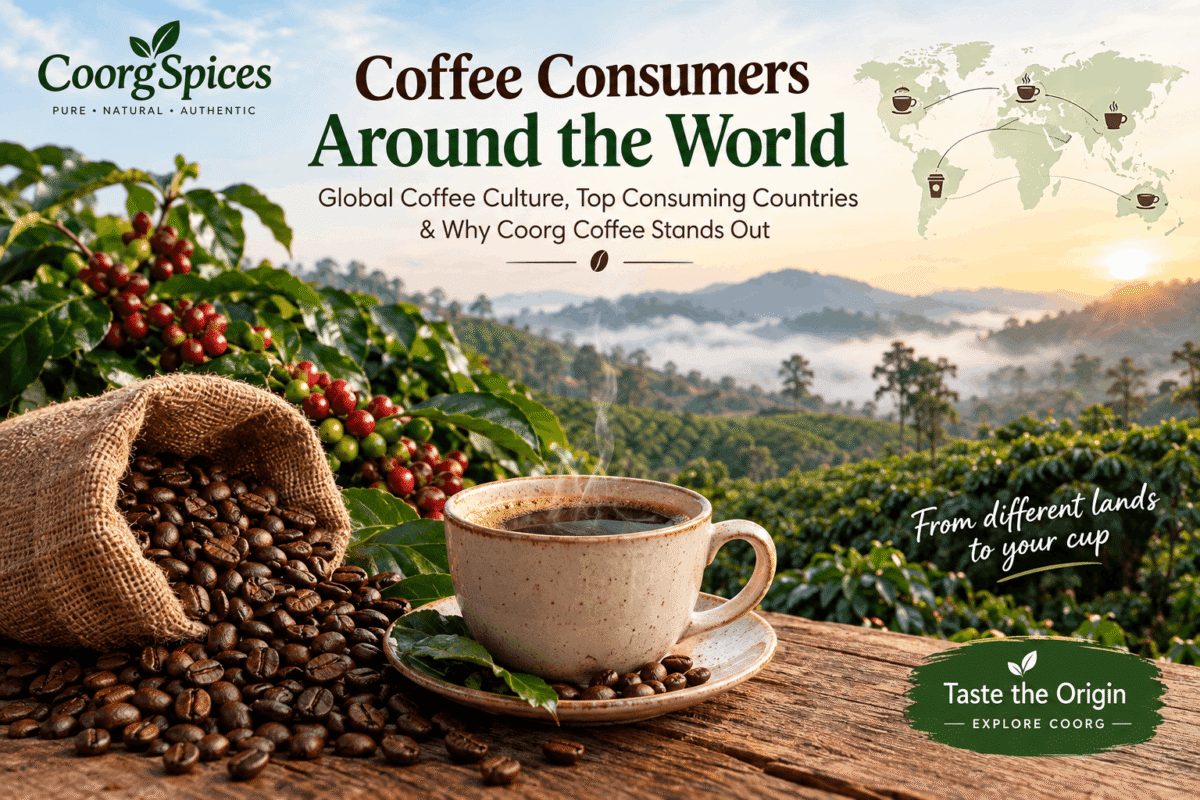
Coffee Consumers Around the World: A Journey Through Global Coffee Culture
Coffee is more than a morning beverage. For millions of people around the world, it is a daily ritual, a social experience, a workplace companion and, increasingly, a way to discover different cultures and origins.
From Scandinavian countries where coffee drinking is deeply embedded in everyday life to bustling cafés in Asia, coffee has become one of the world’s most widely enjoyed beverages.
But how do people around the world drink coffee? Which countries consume the most coffee? And what is driving the next wave of global coffee culture?
Let’s take a journey across the world’s coffee-consuming nations and discover what makes each coffee culture unique.
The World Runs on Coffee
Coffee connects people across continents.
The way it is prepared may differ dramatically, but the underlying experience is remarkably similar. A cup of coffee can mark the beginning of the day, provide a pause during work, bring friends together or become part of a special meal.
The global coffee market includes everything from traditional brewed coffee and espresso to instant coffee, cold brew, specialty coffee and ready-to-drink beverages.
This diversity is one of the reasons coffee continues to attract new consumers.
Which Countries Drink the Most Coffee?
When we talk about coffee consumption, there are two important measures:
- Total coffee consumption – how much coffee a country consumes overall.
- Per-capita consumption – how much coffee the average person consumes.
These measurements tell very different stories.
Countries with large populations naturally consume enormous quantities of coffee, while smaller countries can have much higher consumption per person.
The United States and Brazil are among the world’s largest coffee-consuming markets by total volume. Meanwhile, several Northern European countries stand out for their exceptionally high consumption per person.
Coffee Consumption in India
India has a long relationship with coffee, particularly in southern states such as Karnataka, Kerala and Tamil Nadu.
However, India’s coffee story is changing.
For generations, South Indian filter coffee has been a beloved tradition. Today, Indian consumers are also discovering:
- Espresso
- Cappuccino
- Latte
- Cold brew
- Specialty coffee
- French press
- Pour-over
- Premium instant coffee
- Ready-to-drink coffee
Urban cafés have introduced younger consumers to different coffee origins, roast profiles and brewing techniques.
India therefore represents an exciting combination of traditional coffee culture and emerging specialty coffee culture.
Finland and the Nordic Coffee Culture
Northern Europe has one of the world’s strongest coffee cultures.
Finland is particularly famous for its high per-capita coffee consumption. Coffee is not simply something consumed for an energy boost; it is deeply connected with social interaction and everyday life.
In Nordic countries, taking a coffee break can be an important part of the working day.
The concept of a relaxed coffee break is so culturally significant that it has become part of the region’s lifestyle.
What makes Nordic coffee culture special?
Nordic consumers often appreciate:
- High-quality beans
- Light and medium roasts
- Freshly brewed coffee
- Traceable origins
- Specialty coffee
- Simple preparation
- The social experience surrounding coffee
This focus on quality and origin has helped influence the modern specialty coffee movement.
Coffee Culture in the United States
The United States is one of the world’s largest coffee-consuming markets.
American coffee culture has evolved significantly over the decades.
Traditional brewed coffee remains popular, but consumers today have an enormous range of choices:
- Espresso
- Cappuccino
- Latte
- Cold brew
- Iced coffee
- Flavored coffee
- Specialty coffee
- Ready-to-drink coffee
- Premium instant coffee
Coffee shops have also become places for working, meetings, studying and socializing.
The modern American consumer is increasingly interested not only in caffeine but also in flavor, origin, convenience and experience.
Brazil: A Coffee Producer That Loves Coffee
Brazil is famous for being the world’s largest coffee-producing country, but it is also one of the world’s largest coffee-consuming markets.
That makes Brazil particularly interesting.
Coffee is deeply integrated into Brazilian daily life. A simple cup of coffee is often part of breakfast, family gatherings and everyday social interactions.
Brazil demonstrates an important relationship between coffee production and coffee culture: a country can be both a major producer and a passionate consumer.
Coffee in Italy: Espresso as a Way of Life
Italy has had an enormous influence on modern coffee culture.
Espresso is at the heart of Italian coffee traditions.
For many Italians, coffee is about simplicity and ritual.
A quick espresso at a local café can be an everyday experience rather than an elaborate occasion.
Italian coffee culture has also influenced cafés around the world, making words such as espresso, cappuccino and macchiato familiar to consumers across continents.
Japan and the Art of Coffee
Japan has developed a distinctive coffee culture that combines tradition, precision and modern innovation.
Japanese consumers enjoy a wide range of coffee formats, including:
- Filter coffee
- Espresso-based beverages
- Canned coffee
- Convenience-store coffee
- Specialty coffee
- Cold coffee
Japan is also known for its appreciation of careful brewing techniques.
The attention given to water, temperature, grinding and presentation reflects a broader Japanese appreciation for craftsmanship.
China: One of the World’s Most Interesting Emerging Coffee Markets
China has traditionally been associated more strongly with tea, but its coffee culture has expanded rapidly in recent years.
Major cities have seen significant growth in cafés and specialty coffee businesses.
Younger consumers are particularly important in this transformation.
Coffee is increasingly associated with:
- Urban lifestyles
- Social experiences
- Premium products
- International culture
- Convenience
- Café experiences
Because of China’s enormous population, even relatively small changes in coffee consumption habits can have a significant impact on global coffee demand.
Why Indian Coffee Has a Unique Story
India is not simply a coffee-consuming country.
It is also a major coffee-growing region.
Indian coffee is grown primarily in the country’s southern hill regions, where altitude, rainfall, shade and soil contribute to distinctive growing conditions.
Among India’s most famous coffee-growing regions is Coorg, Karnataka.
Coorg is renowned for its lush landscapes, coffee plantations and rich agricultural heritage.
The Rise of the Curious Coffee Consumer
One of the biggest changes in global coffee culture is the emergence of the curious coffee consumer.
People are increasingly asking:
Where was this coffee grown?
How was it processed?
When was it roasted?
What flavors should I expect?
Which brewing method is best?
This shift creates an opportunity for Indian coffee producers and brands.
Consumers are moving beyond simply asking for “strong coffee” and are becoming more interested in origin, freshness, quality and authenticity.
Coffee and the Search for Authenticity
Modern consumers are surrounded by mass-produced products.
As a result, authentic origin stories can become increasingly valuable.
A coffee associated with a specific region, plantation, community or traditional processing method can provide a stronger connection between the producer and the consumer.
This is particularly relevant for Indian coffee.
A cup of Coorg coffee can represent more than a beverage.
It can represent the landscape, farmers, plantations and agricultural heritage of the region.
How Coffee Preferences Differ Around the World
Different countries have developed different coffee habits.
| Region | Popular Coffee Styles | Consumer Preference |
|---|---|---|
| Nordic Europe | Filter, brewed coffee | Quality & origin |
| Italy | Espresso, cappuccino | Tradition & ritual |
| USA | Brewed, iced, cold brew | Convenience & variety |
| Japan | Filter, canned, specialty | Craftsmanship & precision |
| Brazil | Brewed coffee | Everyday consumption |
| India | Filter, instant, espresso | Tradition + experimentation |
| China | Café beverages, specialty coffee | Experience & lifestyle |
There is no single definition of a “perfect cup.”
Coffee culture changes according to climate, food habits, history, lifestyle and local preferences.
The Future of Global Coffee Consumption
The next phase of coffee growth is likely to come from a combination of established markets and emerging coffee cultures.
Several trends are particularly important:
1. Specialty Coffee
Consumers are becoming more interested in bean origin, processing, roasting and brewing.
2. Premium Instant Coffee
Instant coffee is evolving. Consumers increasingly expect better aroma, flavor and quality without sacrificing convenience.
3. Cold Coffee
Cold brew, iced coffee and ready-to-drink beverages continue to attract younger consumers.
4. Origin-Based Coffee
Consumers increasingly want to know where their coffee comes from.
5. Sustainable Coffee
Environmental responsibility, responsible farming and ethical sourcing are becoming increasingly important considerations.
6. Indian Coffee
India’s combination of coffee-growing heritage, a large population and expanding urban coffee culture creates significant long-term potential.
rom Coorg to the World
Coffee consumers may live thousands of kilometres apart, but the basic desire remains the same: a good cup of coffee.
Whether it is a Finnish morning coffee, an Italian espresso, an American cold brew, Japanese pour-over or South Indian filter coffee, every cup reflects the culture of the person drinking it.
And behind many great cups is a farmer, a plantation and a place.
For Indian coffee, that place can be Coorg.
The future of coffee will not only be about how much coffee the world drinks.
It will increasingly be about where the coffee comes from, how it is produced, how it is roasted and the story behind every cup.
That is where the true value of origin begins.
Discover the Taste of Coorg
At CoorgSpices.com, we celebrate the flavors and agricultural heritage of Coorg and South India.
From authentic regional products to carefully selected coffee and spices, our goal is to bring the distinctive character of Coorg closer to your kitchen.
Taste the origin. Experience Coorg.